
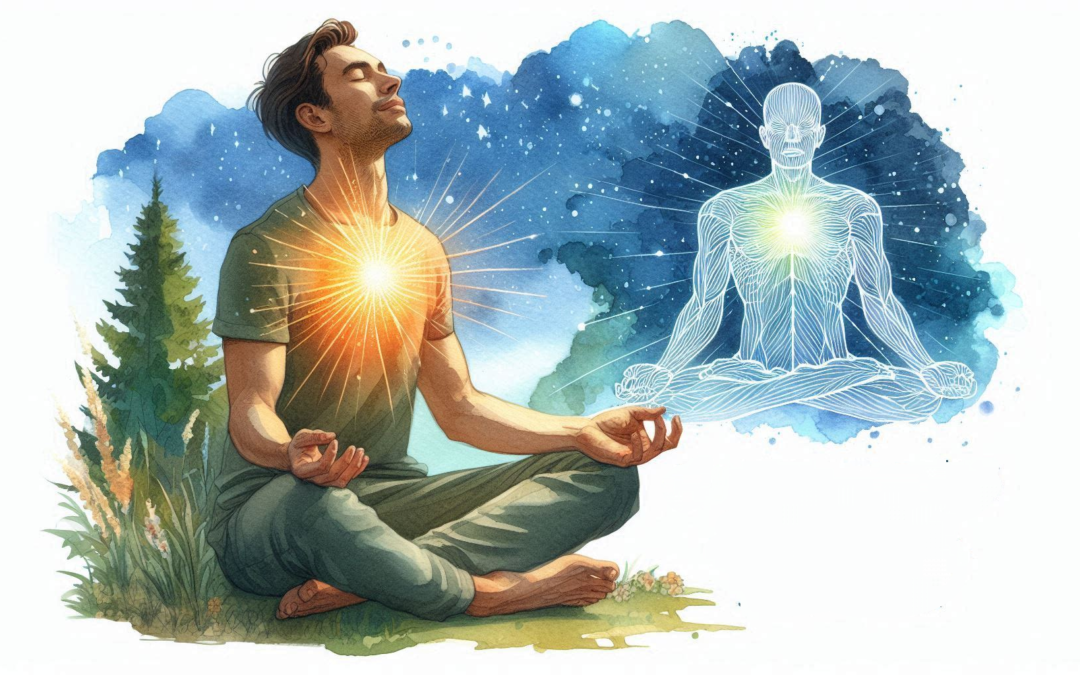
At the weekend we had the first day of our new six month Somatics training, and as I responded to feedback from participants about their experiences I found myself saying that engaging in Somatics is, at its core, an act of love towards oneself. Taking the time to focus into your internal sensory experiences, to truly listen to and honor your beingness, is a powerful expression of self-love.
This grew into a recognition that Somatics isn’t just about physical awareness or movement; it’s about cultivating a deeper relationship with ourselves which later led me to reflect on how people often approach change and self-improvement.
Culturally, many of us have been conditioned to believe that change is best achieved by challenging ourselves. We set goals, push our limits, and some even adopt a no-pain-no-gain mentality. But what if this approach is fundamentally flawed when it comes to fostering a beneficial relationship with self?
Imagine this scenario: if as a young man, I was interested in meeting a woman. If I had confided in a friend about my interest, it would sound absurd if their advice was, “Well, have you challenged her to go out with you yet?” Challenges are not how we build relationships with others, so why would we use challenges to build a relationship with ourselves?
Consider how ridiculous it would be to receive a letter from a friend, inviting you to their wedding with the message, “I challenge you to attend my wedding!” Relationships, whether with others or ourselves, are nurtured through love, compassion, and understanding—not through confrontation and challenge.
So, if we aim to enhance our relationship with ourselves, challenging ourselves might not be the best to do it. Instead, what if we embraced self-love and self-compassion? What if we listened to our bodies, honored our needs, and approached change with kindness and patience?
The invitation on our training is to allow growth to be a journey of self-discovery and an expression of self-love. It’s an invitation to focus inward and pay attention to internal experiences, and in doing so to cultivate a more harmonious and loving relationship with the internal dimensions of Self. This, in turn, can ripple out into every aspect of our lives, enriching our relationships with others and enhancing our overall sense of well-being.
In a world that often equates success with struggle, let’s redefine how we approach change. Let’s choose inviting rather than challenging, compassion rather than confrontation, and self-love rather than self-punishment
Recent Comments