
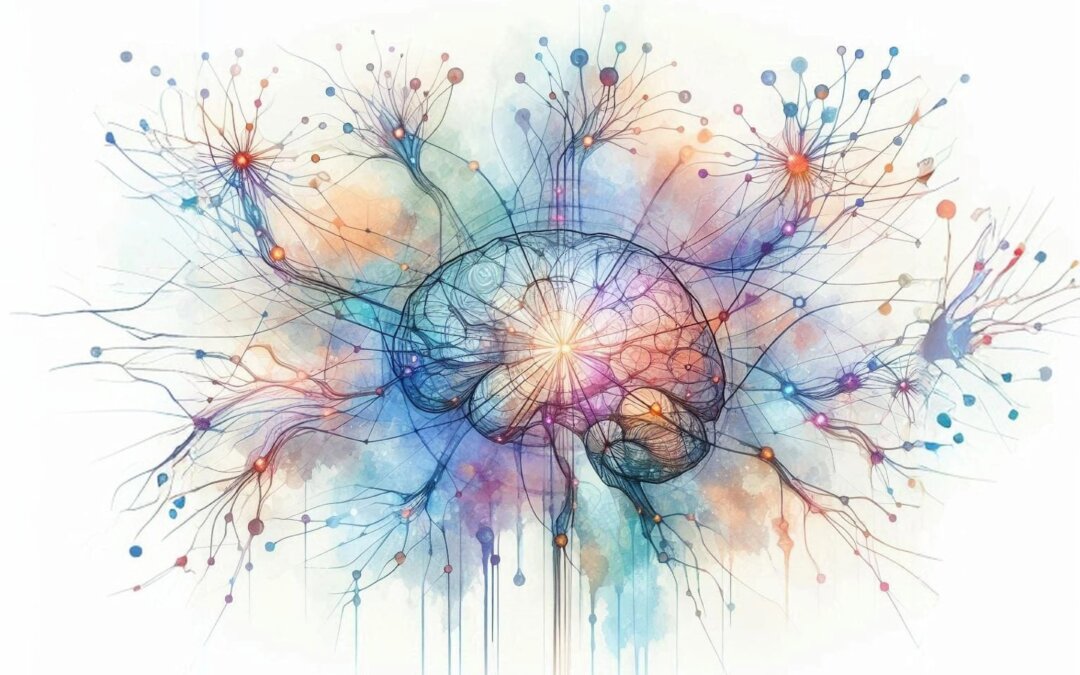
From Repetition to Stillness
The human being is an extraordinary system, capable of learning, adapting, and transforming through various processes. One of the most fascinating aspects of this adaptation is the neuromuscular system, which plays a crucial role in how we move, think, and respond to our environment. This blog post delves into some of the processes of neuromuscular adaptation, focusing on the roles of active repetitions, stillness, myelination, brain networks, and the distinctions between surface and deep changes in our neurology.
Consolidation Through Active Repetitions
Imagine you are learning a new movement, such as a yoga pose or a tennis serve. The process often involves repeating the movement numerous times. This repetition is not about muscle memory; it is also about developing and strengthening neural pathways involved.
When you perform 20 repetitions of a movement, your brain and muscles communicate continuously. This communication is facilitated by neurons transmitting signals via synapses. Each repetition strengthens the synaptic connections involved in that particular movement. Over time, these connections become more efficient, leading to smoother and more coordinated execution. This phenomenon is a fundamental aspect of neuromuscular adaptation, known as consolidation.
Change in Stillness
While active repetition is crucial for consolidating existing patterns, major changes more often occur during stillness. This may seem counterintuitive, but it is during rest and quiet periods that the brain processes and integrates new information. When the body is at rest, the brain can re-organise and re-order activities and form new connections without the interference of continuous external stimuli.
This is where neurogenesis and neuroplasticity come into play. Neurogenesis refers to the creation of new neurons, a process that can be stimulated by novel experiences, learning, and some variations in physical activity. Neuroplasticity, on the other hand, is the brain’s ability to reorganise itself by forming new and different neural connections within the existing networks.
Myelination: The Brain’s Wiring Process
Repeated usage of neural pathways also leads to myelination, a process where the axons of neurons are coated with a fatty substance called myelin. Myelin acts as an insulator, speeding up the transmission of electrical signals along the nerve cells. This process is vital for efficient brain function and is heavily influenced by practice and repetition.
For instance, a pianist who practises scales daily will have highly myelinated pathways associated with finger movements and auditory processing, allowing for swift and accurate performance. Myelination thus reinforces the idea that “practice makes perfect” by enhancing the speed and efficiency of neural communication.
Brain Networks: Surface vs. Deep Change
The brain is composed of intricate networks that facilitate various functions, from basic motor skills to complex cognitive processes. Being able to understand the distinction between surface and deep change in these networks is essential for grasping how profound transformations occurs that produces neuromuscular adaptation.
Surface Change: This type of change involves reorganisation within the existing parameters of the brain’s potential. It is akin to rearranging furniture in a room—everything is still there, but in a different configuration. Surface change is facilitated by neuroplasticity, allowing the brain to adapt to new tasks and experiences without altering its fundamental structure. This is beneficial for learning new skills or adapting to new environments quickly.
Deep Change: In contrast, deep change represents an adjustment of what is possible within the brain. This is where neurogenesis comes into play. It involves creating totally new neurons and pathways, expanding the brain’s capacity for learning and adaptation. Deep change is like adding an extension to a house, increasing its overall size and functionality. This type of change provides the greatest physiological benefits and enables profound positive transformations in behaviour and cognition.
The Evolution of Our Neurology
Both surface and deep changes are essential for a well-rounded and adaptable brain. Surface changes allow for flexibility and quick adaptation, while deep changes enhance the brain’s overall capacity and potential. However, it is the ability to evolve our neurology through deep changes that provides the most significant and long-lasting benefits.
Encouraging neurogenesis and supporting neuroplasticity can be achieved through various means, such as engaging in new and engaging activities, maintaining physical development, practising mindfulness and meditation, and ensuring adequate rest and recovery. By fostering these processes, we not only enhance our current abilities but also pave the way for future growth and transformation.
In conclusion, understanding the mechanisms of neuromuscular adaptation—from the consolidation of existing patterns through active repetition to the profound changes occurring in stillness—provides valuable insights into how we can optimise our brain and body’s potential. Embracing both surface and deep changes enables us to achieve greater physiological benefits and positive transformations, ultimately leading to a more adaptable, powerful, and capable self.
So interesting. Whole Brain Living, by Jul Bolte Taylor drew me into brain I formation. So intriguing 🙏
Yes there are various different brain models out there. Back in 2016 when I was writing my neurology paper for my Clinical Somatic Educator training I discovered multiple different perspectives on brain functioning. In our new teacher training we’re utlising the Brain Networks Framework approach which is different from the models used by James Knight and Martha Peterson when I trained with them. Brain Networks Framework is a much more recent model (2014) and is based in the recognition that various areas of the brain act together functionally (not just single areas) for different purposes. The whole brain is involved, however some networks may play a greater part relative to the activity that’s occurring. For us Brain Networks Framework better encompasses the Somatics we teach which covers – developmental movement; core somatic movement sequences, somatic breathing, somatic meditation and somatic dance.
As a follow on, we’ve recently added a new blog post introducing some of the major Brain Networks and how they can contribute to Somatic Learning. Here is the link Exploring Major Brain Networks