
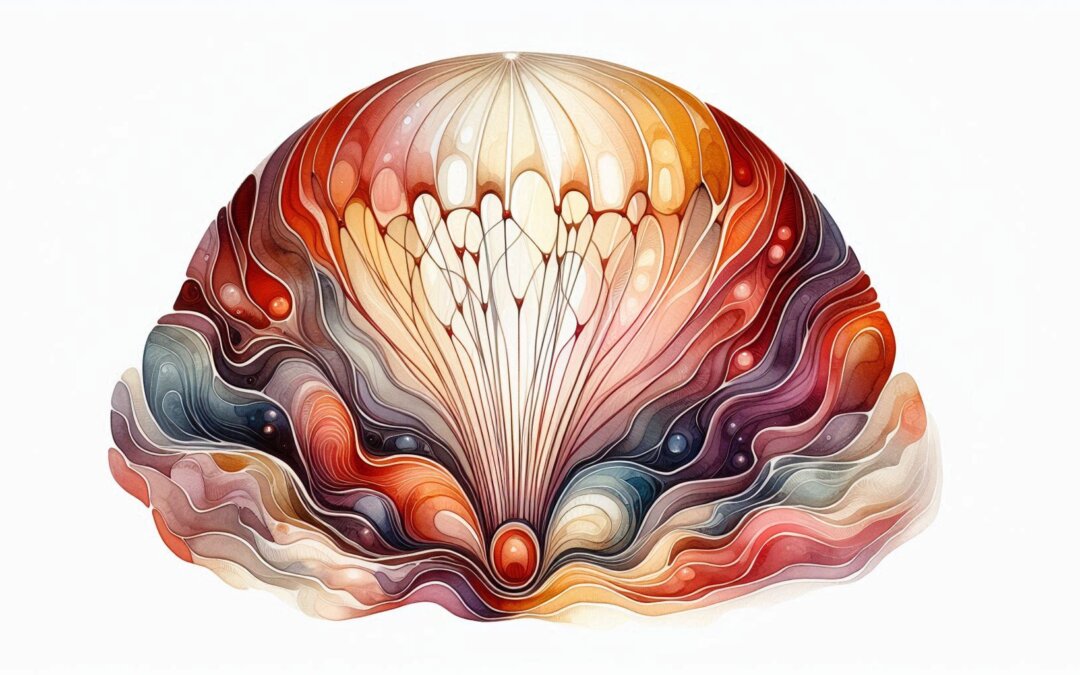
Exploring Your Diaphragm as a Gateway to Somatic Experience and Creative Flow
In terms of bodily systems, few structures play as crucial a role in both physiological function and emotional expression as the thoracic diaphragm. This dome-shaped muscle, situated at the base of your ribs, serves as the primary muscle supporting respiration, separating the thoracic and abdominal cavities. Its significance extends far beyond merely the action of breathing; it is intricately intertwined with our somatic experiences, creative flow, and even our emotional well-being.
Anatomy and Functionality: More than Just a Muscle
The thoracic diaphragm boasts a complex array of attachment points. Arising from the xiphoid process, lower six costal cartilages, and lumbar vertebrae, it converges towards its central tendon. This intricate web of connections forms a sturdy yet flexible structure that adapts to the dynamic demands of breathing and movement.
In the realm of somatic learning, understanding this diaphragm’s activity transcends textbook anatomy. It serves as the gateway between conscious and unconscious patterns of movement, influencing posture, stability, and emotional states. As the primary muscle of inspiration, it contracts during inhalation, descending and creating a vacuum within the thoracic cavity, allowing air to rush into the lungs. This action not only sustains life but also provides a potent avenue for exploring the mind-body connection.
The Diaphragm as a Mediator of Somatic Experience
The role of the thoracic diaphragm in somatic experience extends into the realms of emotional regulation and embodied awareness. When we engage with the diaphragm consciously, we tap into a deep reservoir of somatic potential. Each breath becomes a dance of awareness, where the movement of the diaphragm informs and reflects our inner state.
This process of mindful engagement with the diaphragm helps release unnecessary tensions that may have accumulated over time, both physically and emotionally. It’s here that the diaphragm acts as a mediator between our internal experiences and external expressions. By tuning into its movement, we can begin to understand how deeply our breath influences our sense of presence and emotional well-being.
Breathing, when approached somatically, becomes a way to recalibrate and realign ourselves, fostering a deeper connection between body, mind, and spirit. It is in this state of connectedness that we find the gateway to creative flow, where breath and movement harmonise to support a more expansive and integrated way of being.
The Connection Between the Thoracic Diaphragm and Creative Flow
Creative flow isn’t just an abstract concept; it’s a physiological state that can be cultivated through somatic practices. The diaphragm plays a key role in this process. As we deepen our connection to our breath, we allow the natural rhythms of the body to support a state of creative harmony.
When the diaphragm moves freely and efficiently, it enhances our capacity to engage in creative activities with greater ease and fluidity. This is because the breath, guided by the diaphragm, influences the flow of energy throughout the body. A flexible and responsive diaphragm allows for more dynamic expression, whether through movement, speech, or other creative endeavours.
In this sense, the diaphragm is not just a muscle but a conduit for creative energy. Its movement expresses the ebb and flow of our creative impulses, and by paying close attention to how we breathe, we can harness these impulses more effectively. This connection between breath and creativity is a key aspect of somatic learning, where the physical act of breathing becomes a gateway to deeper states of creative engagement.
For more on how varied breathing patterns support this flexibility and creative flow, consider exploring the concept of [Breath Flexibility](#) and its role in cultivating a harmonious interplay between breath and body.
Neurophysiological Impacts of Diaphragmatic Breathing
The impact of diaphragmatic breathing extends into the realm of neurophysiology, where it plays a significant role in fostering neuroplasticity—the brain’s ability to reorganise itself by forming new neural connections. This capacity for change is fundamental to our growth and adaptability, and the diaphragm is central to this process.
As we engage in conscious, diaphragmatic breathing, we stimulate the vagus nerve, which in turn activates the parasympathetic nervous system. This activation promotes a state of relaxation and calm, which is conducive to neurogenesis—the formation of new neurons. The rhythmic, intentional movement of the diaphragm during breathing creates a stable, coherent environment within the brain, fostering conditions that support learning, memory, and creative thinking.
Moreover, this form of breathing encourages coherence between different regions of the brain, particularly those involved in emotional regulation, decision-making, and creative thought. By regularly practicing diaphragmatic breathing, we reinforce these neural pathways, making it easier to access states of calm focus and creative flow.
The diaphragm, then, is more than just a muscle of respiration; it is a key player in our overall neurophysiological health. Through mindful breath practices, we can cultivate a more resilient, adaptable brain, capable of supporting us in our creative and somatic endeavours.
The Symbiotic Relationship with the Psoas Muscle
The psoas muscle, often referred to as the “muscle of the soul,” shares a close and symbiotic relationship with the thoracic diaphragm. Originating from the lumbar vertebrae of the spine, the psoas travels through the abdominal cavity, passing just beneath the diaphragm, and inserts onto the lesser trochanter of both femurs (thigh bones). This physical connection underscores the interdependence of breath and movement.
When the diaphragm functions optimally, it influences the tone and behaviour of the psoas. As the diaphragm descends during inhalation, it gently tugs on the psoas, encouraging a natural elongation and release in this muscle. Conversely, when the diaphragm is restricted or tense, it can lead to compensatory tension in the psoas, affecting not only our posture but also our overall sense of ease and fluidity in movement.
Understanding this relationship allows us to approach both muscles with greater awareness in our somatic practices. By cultivating a responsive, flexible diaphragm, we can positively influence the function of the psoas, leading to improved posture, enhanced movement patterns, and a more harmonious connection between breath and body.
Embracing the Diaphragm’s Transformative Potential
In the journey of somatic learning, the thoracic diaphragm emerges as a central player, guiding us towards a deeper understanding of ourselves and our embodied experience. By embracing its complexity and recognising its connections with other key muscles in the body, we unlock the transformative potential of conscious movement and breath.
Through mindful exploration and dedicated focus, we cultivate harmony between breath, body, and being, embarking on a journey of self-discovery and profound transformation. The diaphragm, with its far-reaching influence on our physical, emotional, and creative states, becomes not just a muscle of respiration but a gateway to a more integrated and fulfilling way of living.
If you’d like to experience the benefits of awakening greater engagement of your own Diaphragm we have a 4 class Somatic Breathing course which will guide you into sensing and engaging this area of yourself. This course will provide you with a series of progressive breathing lessons that awaken and enhance the activity of your diaphragm. To learn more follow check out our SomaBreathe – Diaphragm Course here
Recent Comments