
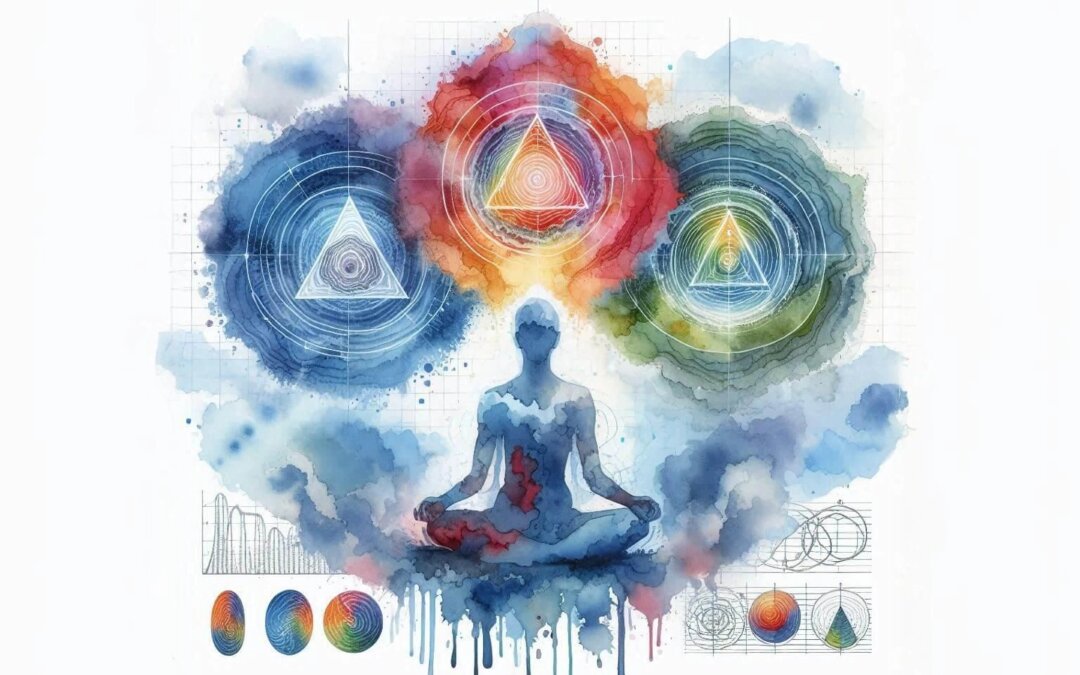
In the intricate dance of somatic practices, our neurophysiology orchestrates the patterns of skill development, shaping how we move, learn, and perform. From athletes to artists, we recognise that effective behaviours emerge from specific somatic configurations, where body and mind harmonise in the development of new skills. But what lies beneath this apparent mastery? A hidden layer of potential exists—a zero state—that holds transformative power, allowing us to recalibrate and enhance our neuro-physiological patterns. Let’s delve deeper into the interplay between neurophysiology, zero states, and the subtle art of skill enhancement.
The Somatic Blueprint: Crafting Skill Through Neurophysiology
Think of your soma as a living, breathing blueprint—a dynamic map composed of neural pathways and physiological responses that evolves with every new movement, thought, and action. When you learn a new skill—whether it’s playing a musical instrument, mastering a sport, or refining a craft—your neuro-physiology adapts accordingly. Neurons fire, muscles engage, and patterns are established. But what if you could pause the flow, enter a moment of neutrality, and fine-tune your body’s responses? This is where the concept of the zero state becomes vital.
The Zero State: A Pause in the Somatic Symphony
The zero state is the pause between movements, akin to the space between musical notes. In this neutral state, the active neurophysiological patterning is turned down, offering a moment of stillness. It’s not rest in the conventional sense—it’s recalibration. Imagine the space between two breaths, the quiet before action, where possibilities for change reside.
Athletes, in particular, understand the power of this zero state. Between intense training sessions and major performances, they find this quiet moment, using it to recover and refine their neural patterns. In this state, the body isn’t engaged in action, but the neurophysiological system is poised for transformation. Here, you can deliberately tweak and adjust the way you move, breathe, and function.
Adjusting the Neural Score: Rewiring Through Stillness
In the zero state, we become the composers of our own neurophysiology, able to make subtle adjustments to the “neural score.” Consider for a moment, a pianist aiming to produce smooth transitions between chords or a dancer striving for fluidity in their movements. By consciously accessing this neutral space, they could actively rewire our neural circuits to refine performance – in the pause between actions.
So, when the pianist pauses to reflect on their playing, they can consciously adjust finger positions, enhance coordination, and fine-tune their musical phrasing. Similarly, dancers can use moments of stillness to internally focus on the movements they wish to enhance, inviting the creation of more seamless and graceful transitions. This fine-tuning is akin to adjusting the tempo, changing the key, or refining the melody—making seemingly small modifications that lead to profound results in skill development.
Beyond Performance: Skill Development in Non-Performing Phases
Major athletes know that peak performance isn’t achieved through constant high-intensity training. There are phases of preparation, where strength, endurance, and flexibility are built. These same principles can be applied to skill development in any field. Outside of peak performance, we can deepen our expertise by revisiting the fundamentals, exploring subtleties, and cultivating mastery in smaller less obvious ways.
This is where somatics comes into play as a profound tool for refining skills. Somatic practices encourage us to engage with our body on a deeper level, paying attention to sensations, movements, and the internal signals that guide us. In these moments, the zero state acts as a doorway to greater self-awareness and enhanced neurophysiology.
Whether you’re an athlete building muscle function or an artist perfecting a craft, these non-performance phases are essential. They allow you to tune into the nuances of your skill set and enhance performance through subtle, deliberate shifts. It’s not about major breakthroughs every day—it’s about the quiet work that takes place behind the scenes – in the seeming inactivity – laying the foundation for future development and success.
Somatic Practice: Amplifying Growth in the Quiet Moments
So, where does true skill reside? It’s not solely in the muscle fibres or the neurons as they are firing. Skill lives in the spaces between movements, in the zero states where transformation unfolds. As you continue practising, it’s essential to honour both the crescendos and the rests. Embrace these moments of pause, because it’s there that your neurology and physiology whispers secrets of growth.
Next time you engage in an activity you’ve been doing automatically—whether it’s a simple daily movement or a complex task—consider the zero state. It’s not empty; it’s charged with potential. In that brief pause, you have the opportunity to rewrite your neural score, recalibrate your neurophysiology, and elevate your somatic experience.
Cultivating a Somatic Symphony with Zero States
Listening to your body’s internal signals during somatic practice creates space for organic precision to emerge—where neuro-physiology, somatics, and the zero state intersect to create new opportunities for growth. This approach invites a shift from mechanical performance to a more fluid, living process, where the refinement of skill happens effortlessly. Somatic practices help you access and amplify this natural intelligence, integrating body awareness with skill development.
By incorporating zero states into your routine, you can fine-tune both your neurophysiological and somatic blueprint, allowing your skills to grow not through force, but through an evolving, natural process. The somatic symphony continues—carrying you forward into a space of heightened awareness, greater mastery, and deeper understanding of your body’s capabilities.
Unlocking the Power of Zero States
As you explore somatic practices and their connection to your neurophysiology, remember that the zero state holds the key to refining and enhancing your skills. It’s in this pause, this neutral space, where profound shifts can happen. By tuning into these moments, you become the conscious composer of your neurophysiological patterns, leading to enhanced performance and mastery over time.
Zero states hum with vibrant, vital possibility. Listen closely to the spaces between your actions, for they are rich with potential, ready to propel you into greater skill, deeper somatic awareness, and an ever-evolving sense of mastery.
Recent Comments